What Is Port Antonio Jamaica Known For?
Port Antonio is known for the Rio Grande bamboo raft trips Errol Flynn popularised, the Blue Lagoon, Boston Bay jerk and a quiet, green corner of Jamaica most cruise crowds never reach.
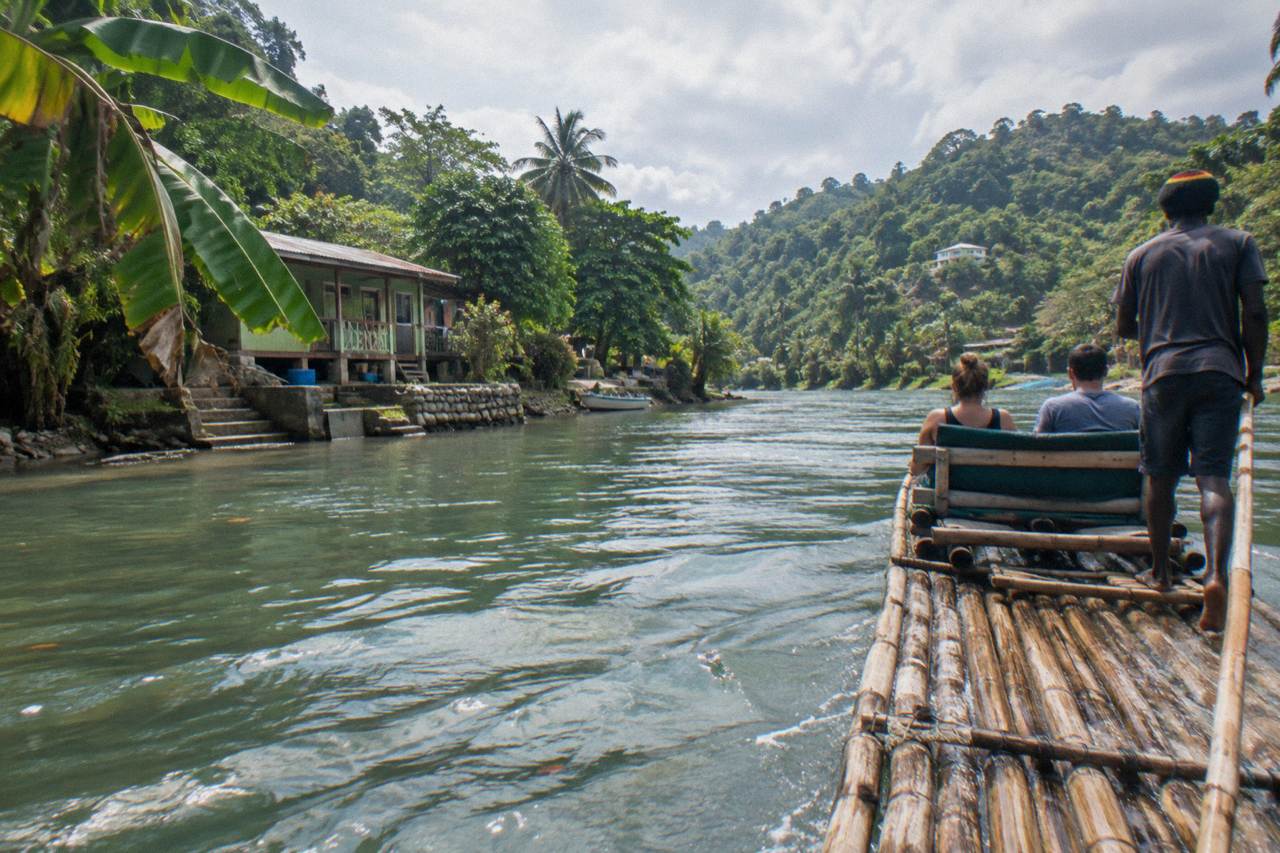
Port Antonio, the capital of Portland parish on Jamaica's northeast coast, is known for bamboo rafting on the Rio Grande, the deep blue of the Blue Lagoon, the jerk pits of Boston Bay, and a reputation as the quiet, rainforest-green alternative to the big resort towns. It is the place where Hollywood star Errol Flynn arrived in 1946 when his yacht Zaca washed ashore, and where bamboo rafts, first built to float bananas downriver, became a leisure activity he is credited with popularising. Above all, this is the home of the Rio Grande raft trip, the longest and most storied bamboo raft run in the listings covered here.
The town sits between the Blue Mountains and the sea, closer in spirit to a fishing port than a tourist hub. Cruise ships call far less often than they do at Ocho Rios or Falmouth, and the beaches here are a patchwork of small coves rather than hotel strips. That quiet is precisely what Port Antonio is known for among travelers who find it, and the reason the Portland raft trips feel different from the busier runs near Montego Bay.
Why The Rio Grande Made Port Antonio Famous
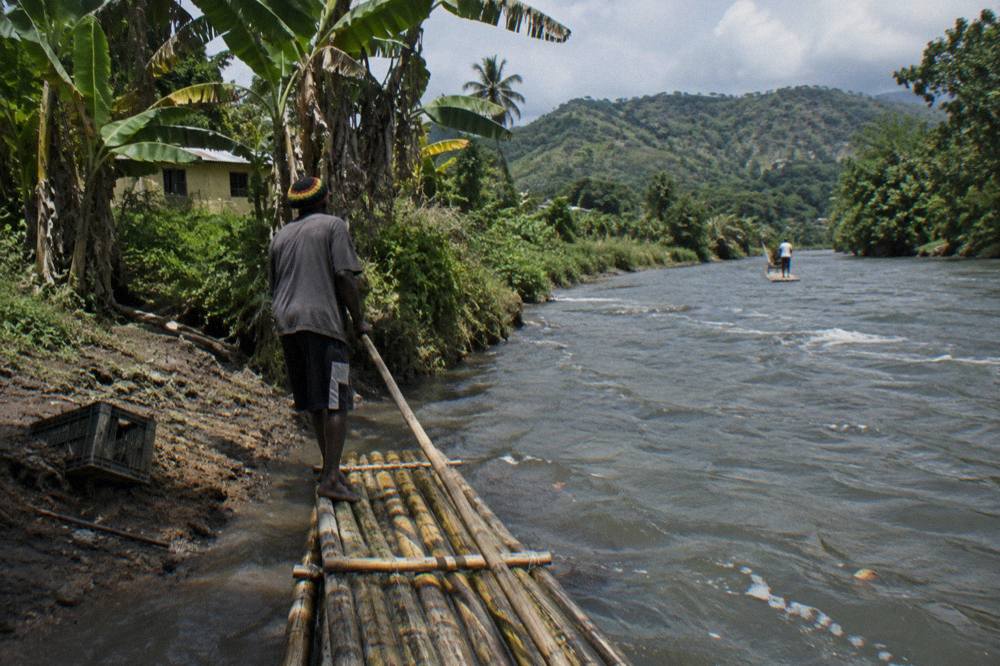
The Rio Grande is the reason most visitors come to Portland, a roughly six-mile bamboo raft run from Berrydale in the Rio Grande Valley down to Rafters' Rest at St. Margaret's Bay, poled by a captain and typically lasting 2 to 3 hours, with about 80 raft captains working the route. It began as freight: bamboo rafts moved bananas and produce to the coast long before anyone rode one for fun. If you're wondering exactly how to reach the launch point from Port Antonio, our guide to where the Rio Grande flows on Jamaica's east coast covers the route, directions, and the raft tours that run it.
That banana heritage is the detail that surprises people. The 30-foot bamboo rafts on the Rio Grande were working vessels first, floating produce down a river. Errol Flynn, whose yacht Zaca washed ashore near Port Antonio in 1946, is credited with popularising rafting as a leisure pursuit. The trip that grew from that era still follows the same logic: one captain, one pole, two adults and one small child per raft, drifting at walking pace.
A standard trip on the Rio Grande runs from Berrydale to Rafters' Rest, a route of about 6 miles, and typically takes 2 to 3 hours depending on the river's state. The rate structure for captains' trips was set by the Tourism Product Development Company in 2023, and raft capacity is 2 adults plus 1 small child alongside the captain. If you want the trip packaged with pickup in Port Antonio, lunch and a guide, the Rio Grande Bamboo Rafting Tour from Port Antonio covers it as a private tour, from $300 per person for about 2 hours 30 minutes, with free cancellation listed. Portland visitors are the natural audience for this run; it is the region's signature experience.
How The Rio Grande Compares With Jamaica's Other Raft Rivers
The listings covered here span four rafting rivers, and Portland's is the longest ride of them.
| River | Nearest town | Ride on the water | Character |
|---|---|---|---|
| Rio Grande | Port Antonio | Typically 2 to 3 hours | Long, wild valley run, banana-raft heritage |
| Martha Brae | Falmouth | 1 hour 15 minutes over 3 miles | Polished attraction, padded seats, open daily |
| Lethe, on the Great River | Montego Bay side | Usually 60 to 90 minutes | Massage-raft territory, closest to MoBay hotels |
| White River | Ocho Rios | 45 minutes | Short cruise near the cruise pier |
The Rio Grande is the only one of these that grew directly out of the banana trade, and the only one with a route long enough to feel like a journey rather than a loop. Readers deciding between the two big names can compare the Martha Brae vs Rio Grande rafting options in detail.
What Else Is Portland Known For Beyond Rafting?
Beyond the Rio Grande, Portland is known for the Blue Lagoon, the jerk pits of Boston Bay, Frenchman's Cove, Reach Falls and the standing film legacy of Errol Flynn's era, all packed into one of Jamaica's greenest parishes. Boston Bay is widely credited as the birthplace of jerk as a style of cooking.
The Blue Lagoon is a deep spring-fed inlet a short drive from town. Frenchman's Cove, a small beach set in a cove where a river meets the sea, still draws day visitors to its grounds. Reach Falls, inland along the Drivers River, rounds out the standard Portland day. None of these appear on the listings covered here as standalone products, so treat them as context: the parish is a full-day destination, not a whistle stop.
The other thing Portland is known for is rain, and that is not a complaint. Port Antonio's monthly rainfall figures are the highest of the rafting towns, running from a low of 113 mm in March to 359 mm in November and totalling about 3,080 mm across the year. Visitors comparing it with Montego Bay, which averages roughly 1,136 mm a year, should pack accordingly and plan around afternoon showers rather than hoping to dodge them.
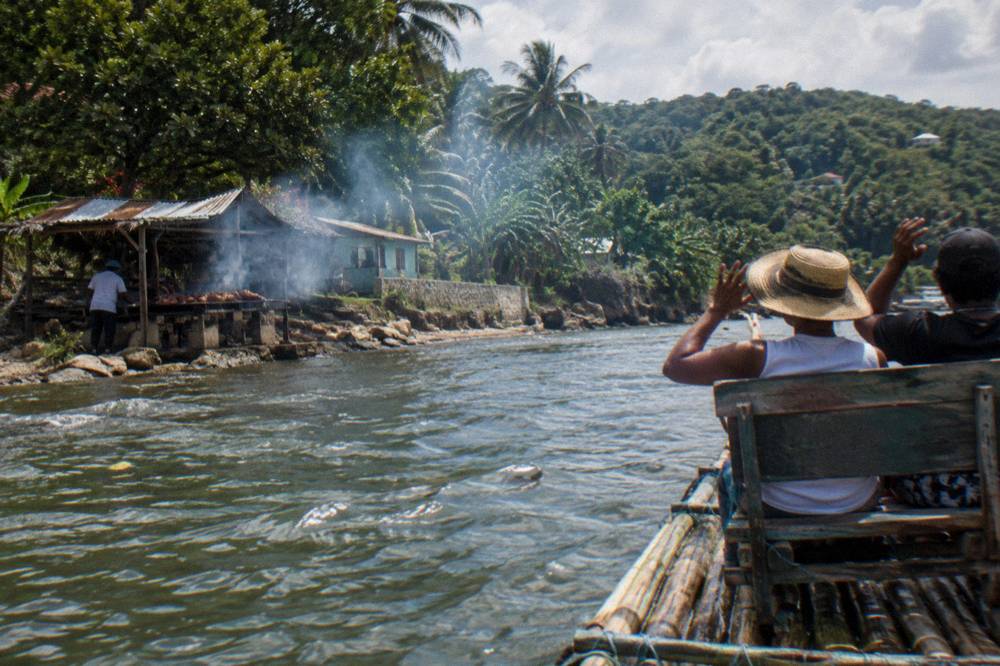
For rafters, the practical pairing is raft and jerk. The listing called Bamboo Rafting and Boston Jerk Centre Tour in Portland combines a private bamboo raft with a quarter jerk chicken and a side order per guest, plus snacks on board, from $220 per person over about 4 hours, departing Kingston or Ocho Rios by arrangement with the operator. It is the only tour in the listings covered here that puts Boston Bay's food and the river in one package.
What Portland Offers In One Table
| Known for | What it is | How it pairs with rafting |
|---|---|---|
| Rio Grande bamboo rafts | 2 to 3 hour raft run, Berrydale to Rafters' Rest | The raft trip itself |
| Boston Bay jerk | Wood-fire jerk chicken and pork stands, credited birthplace of jerk | The jerk centre tour bundles both |
| Blue Lagoon | Deep spring-fed inlet, famous film location | Short drive from Port Antonio meeting points |
| Errol Flynn heritage | His 1946 arrival began the town's celebrity era | The reason the leisure raft trip exists |
| Reach Falls and Frenchman's Cove | Inland falls and a river-meets-sea cove | Fills a second day in the parish |
Is Port Antonio Worth Visiting After Hurricane Melissa?
Yes, based on how recovery has been reported. Hurricane Melissa made landfall on 28 October 2025 as a Category 5 storm in western Jamaica, and Portland sat outside the worst of it; the Tourism Minister described Port Antonio as "hardly touched", and it was among the first ports in the post-Melissa reopening sequence. The parish's attractions, including Rio Grande rafting, were described as continuing to operate that same month.
The storm's center hit near New Hope in Westmoreland, on the opposite side of the island, and the heavy damage landed in the western parishes: Montego Bay, Westmoreland, and the Martha Brae corridor in Trelawny. Portland still saw flooding, landslides and outages in the Rio Grande Valley, and recovery work in the valley continued for months afterward. Communities such as Moore Town saw destroyed homes, lost crops and prolonged power outages, with diaspora groups coordinating recovery efforts well into late November 2025. But the operating picture reported for Portland contrasts sharply with the west: while Martha Brae rafting was clearing the river and targeting a mid-December 2025 reopening, Portland hoteliers were already positioning eastern Portland to fill the tourism gap, per a late November 2025 report on the valley's rafting and attractions continuing to run.
One loss deserves its own sentence: Rio Grande captains reported losing well over 100 bamboo rafts when the river overflowed, a blow to roughly 80 working captains whose livelihoods depend on the boats. Rafting was reported running again with rebuilt rafts, but no official notice dated later in 2026 reconfirms conditions, so check the live listing before you book and treat the operating status as reported rather than guaranteed.
For travelers weighing Jamaica as a whole, the geography of the damage matters. The Martha Brae and the Lethe stretch of the Great River, the rivers nearest Montego Bay, took the harder hit; the river that kept running, the Rio Grande, is the one furthest from the storm's landfall. A Portland trip after Melissa is therefore not a compromise choice. In some respects it was the most reliable rafting base on the island during the recovery window, and reports into late 2026 describe the broader tourism sector rebounding with airports and cruise ports operational.
How Far Is Port Antonio From Jamaica's Other Resort Areas?
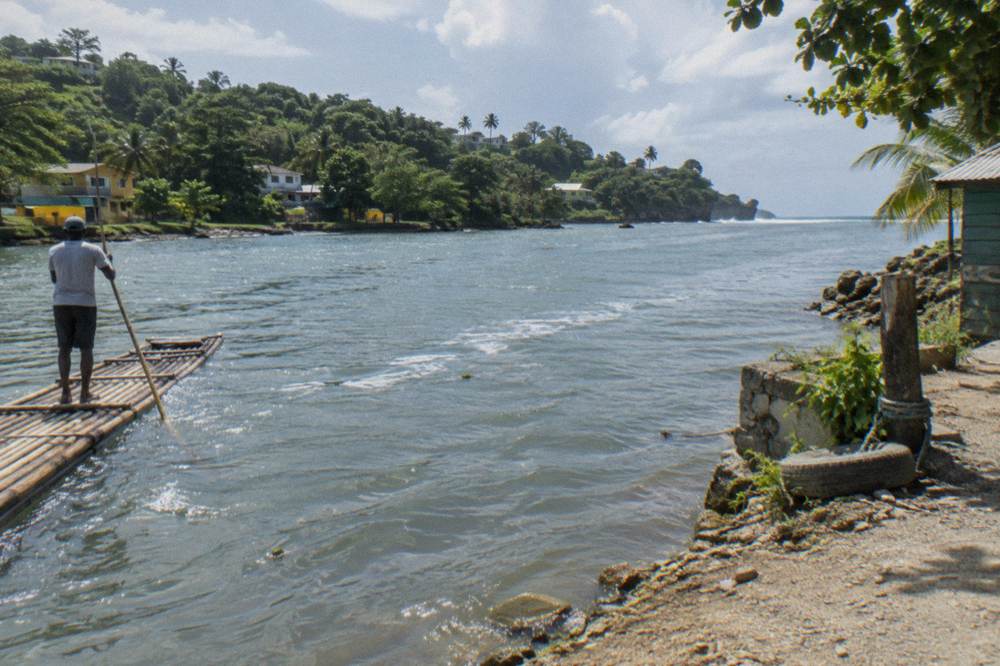
Port Antonio is far from everything else, which is half its character: about 2 to 2.5 hours by road from Ocho Rios, 2.5 to 3.5 hours from Kingston, and 4 to 4.5 hours from Montego Bay, while the raft put-in at Berrydale and the Rafters' Rest end of the route both sit 15 to 25 minutes from Port Antonio.
Those drive times, published by Portland tourism sources, explain the town's two personalities. Visitors based in Montego Bay or Negril almost never day-trip here; the 4-hour-plus drive each way rules it out. Visitors flying into Kingston, or cruising into Port Antonio's small port on one of the smaller ships that call there, get the parish almost to themselves. The Port Antonio things to do with rafting guide covers how to structure a stay once you commit to the drive.
For context in the other direction: a bamboo raft run from Montego Bay, whether the Martha Brae attraction or the Lethe massage rafts, is a 15 to 35 minute transfer from your hotel. The Rio Grande asks for a real journey. Travelers who want the Portland raft experience with pickup arranged can find it in the listings covered here, including the private jerk-centre combination departing Kingston or Ocho Rios, with the start point agreed with the operator at booking.
The road itself deserves a word. The route from Ocho Rios north and east runs along the coast through St. Mary and into Portland, crossing river mouths and climbing through small towns, and much of it is single carriageway. Budget the full published time even in light traffic. Once in Port Antonio, everything on this page sits within about 30 minutes of the town, from the Berrydale put-in to the Boston Bay jerk stands.
Travel Times To Port Antonio At A Glance
| From | Drive time to the Port Antonio area | Practical for a raft day trip? |
|---|---|---|
| Ocho Rios | 2 to 2.5 hours | Possible, long day |
| Kingston | 2.5 to 3.5 hours | Yes, common base |
| Montego Bay | 4 to 4.5 hours | Not realistic as a day trip |
| Port Antonio to Berrydale put-in | 15 to 25 minutes | Yes, the standard start |
What Does A Rio Grande Raft Trip Actually Look Like?
A Rio Grande trip is a slow drift: you board a roughly 30-foot bamboo raft with a captain who poles it from Berrydale down about 6 miles of river to Rafters' Rest at St. Margaret's Bay, typically over 2 to 3 hours, with room for 2 adults and 1 small child per raft. Packaged tours add transfers, food and guide service around that core ride.
The rhythm is the draw. Unlike the Martha Brae run, which operates on a set daily schedule from 9:00 am to 4:00 pm as a polished attraction, the Rio Grande reads more like a guided float through a working valley. Captains pole from a platform at the rear, passengers sit low on the bamboo base, and the river sets the pace. The rate structure for trips was set in 2023 by the Tourism Product Development Company; packaged tours price the full outing per person instead, with transport and food layered on.
Among the listings covered here, the packaged options from Port Antonio itself are private. The featured Rio Grande tour from Port Antonio runs from $300 per person for about 2 hours 30 minutes and lists lunch, bottled water, transportation and a guide among its inclusions, with free cancellation listed; confirm the exact meeting point on the live booking page, since pickup covers Port Antonio only. The jerk-centre combination covers a similar raft plus a cooked meal, from $220 per person over about 4 hours, with private transport, WiFi on board and refreshments included, departing Kingston or Ocho Rios by arrangement. The honest summary is that Portland's pair trades convenience for scale of scenery.
Practicalities are simple but worth stating. Wear something that can get splashed, bring a hat and water, and keep phones in a dry pocket, since the rafts sit close to the waterline. Gratuities are listed as excluded on the jerk-centre package, so budget a tip for your captain if the ride earns one; the tipping raft captains guide covers the etiquette. Neither Portland listing states a meal beyond what its own inclusions name, so check the live listing for anything specific before you assume lunch is covered.
Who Should Choose Port Antonio Over The Western Rivers?
Choose Port Antonio if you have two nights or more, are based in Kingston or arriving by a smaller cruise call, and want the longest ride of the four rafting rivers; choose the western rivers, Martha Brae and Lethe near Montego Bay or the White River at Ocho Rios, if you are on a short hotel stay or a single cruise day and need the river within an hour of your bed or your pier.
The western options earn their popularity on logistics. The Martha Brae attraction sits about 30 minutes from Montego Bay and roughly 15 to 25 minutes from the Falmouth pier, and the shared tour with bus transportation, from $146.16 per person, 5.0 from 582 reviews, folds the raft fee into an air-conditioned transfer from Montego Bay hotels. The Lethe massage rafts are closer still to Montego Bay resorts, with rides usually lasting 60 to 90 minutes. If your entire Jamaica window is one port day in Falmouth or Ocho Rios, those rivers, not the Rio Grande, are your trip; the bamboo rafting from Montego Bay and bamboo rafting from Falmouth cruise port guides lay out the port-day arithmetic.
Port Antonio rewards the opposite traveler. You come for a full Portland stay, you raft the river Errol Flynn made fashionable, you eat jerk at its credited birthplace, and you accept that nothing here is 15 minutes from a cruise terminal. The town's fame has always been that it asks more and gives a different Jamaica in return.
Common Questions About Port Antonio
What Is Port Antonio Jamaica Known For?
Port Antonio is known for bamboo rafting on the Rio Grande, the Blue Lagoon, Boston Bay jerk cooking, Frenchman's Cove and its Errol Flynn heritage. Flynn arrived in 1946 when his yacht washed ashore and is credited with popularising rafting as a leisure trip, on rafts originally built to move bananas.
How Long Is A Rio Grande Bamboo Raft Trip?
The standard route from Berrydale to Rafters' Rest is about 6 miles and typically takes 2 to 3 hours on the water, poled by a captain, with a raft carrying 2 adults and 1 small child. Packaged tours run longer because they add road transfers and meals.
Can You Raft The Rio Grande From A Cruise Ship Call?
Port Antonio does receive some smaller cruise calls, and the featured Port Antonio raft listing covers pickup in town, so a raft is feasible on a port day there. Never assume the timing works: check your ship's all-aboard time and confirm the return window with the operator before booking.
Did Hurricane Melissa Damage Rafting In Portland?
Captains on the Rio Grande reported losing well over 100 bamboo rafts in the October 2025 flooding, but Portland sat outside the storm's worst damage and its attractions, including rafting, were reported continuing to operate by late November 2025. Confirm current conditions on the live listing before you book.
Is Port Antonio Too Far From Montego Bay For A Day Trip?
Yes. The drive runs 4 to 4.5 hours each way from Montego Bay. Rafters based in the west should use the Martha Brae or Lethe rivers instead; Port Antonio suits travelers staying in Kingston, Ocho Rios or Portland itself.
What Food Is Portland Known For?
Jerk, linked to Boston Bay, widely credited as the birthplace of the style. One rafting package in the listings covered here includes a quarter jerk chicken and a side per guest alongside the river trip.