Where Is The Rio Grande In Jamaica?
The Rio Grande runs through Portland on Jamaica's east coast, from Berrydale in the Rio Grande Valley to Rafters' Rest at St. Margaret's Bay near Port Antonio. Here is where it is, how to get there, and the raft tours that run it.
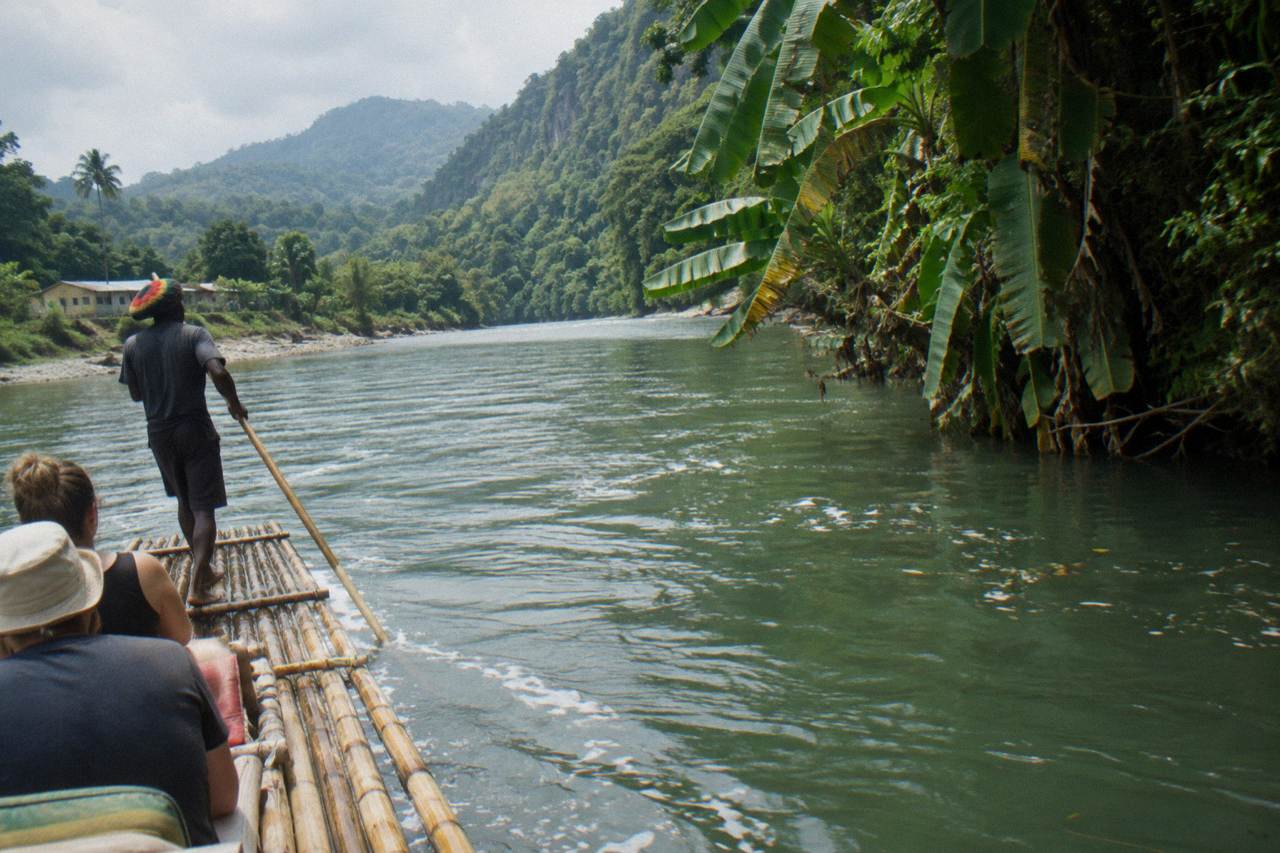
The Rio Grande is in Portland, the parish on Jamaica's northeastern coast that curls around Port Antonio. The rafting stretch begins at Berrydale, a settlement in the Rio Grande Valley inland from Port Antonio, and ends at Rafters' Rest at St. Margaret's Bay on the coast. That single sentence answers the question most searchers are really asking, because the Rio Grande is nowhere near the Montego Bay hotel strips where most visitors stay. It is the far side of the island, a different mood entirely: quieter, greener, and about as far from a swim-up bar as Jamaica gets.
That distance matters when you are planning. A reader based in Montego Bay is four to four and a half hours from the Rio Grande by road, which turns a raft trip into a full-day expedition. A reader docking or staying in Port Antonio is fifteen to twenty-five minutes from the launch points. The river also carries the longest raft ride of the four rafting rivers covered here, typically two to three hours on the water, compared with about an hour and a quarter on the Martha Brae and under an hour on the White River.
This article pins down the geography, the drive times, the operators, the history that ties the river to Errol Flynn, and the actual bookable tours. For the wider picture of river trips across the island, the Rio Grande rafting guide covers the route in depth.
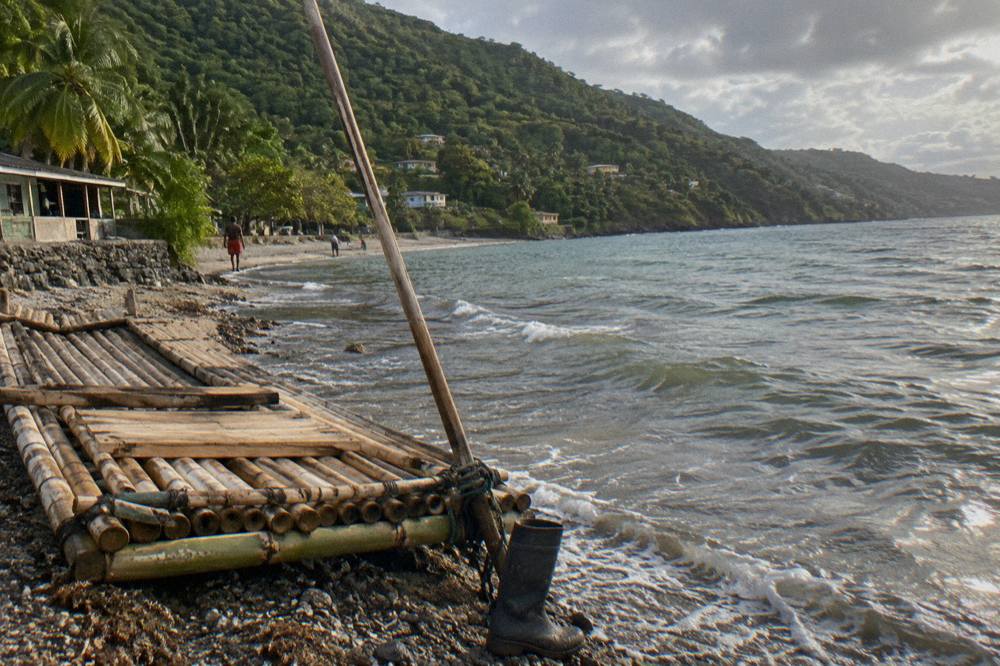
The Rio Grande flows through the parish of Portland on Jamaica's east coast, reaching the sea at St. Margaret's Bay just west of Port Antonio. The rafting route runs from Berrydale, in the Rio Grande Valley inland, down to Rafters' Rest at St. Margaret's Bay, a stretch of about 6 miles, and the whole operation sits within easy reach of Port Antonio, roughly 15 to 25 minutes away by road.
Portland is the parish everyone drives past and almost nobody regrets stopping in. Its raft route typically takes two to three hours, the longest of the four rafting rivers covered here. The valley around it grows bananas, coconuts and breadfruit, and the rafts themselves began as working craft: bamboo rafts moved bananas and produce down this river long before anyone thought of charging visitors for the ride.
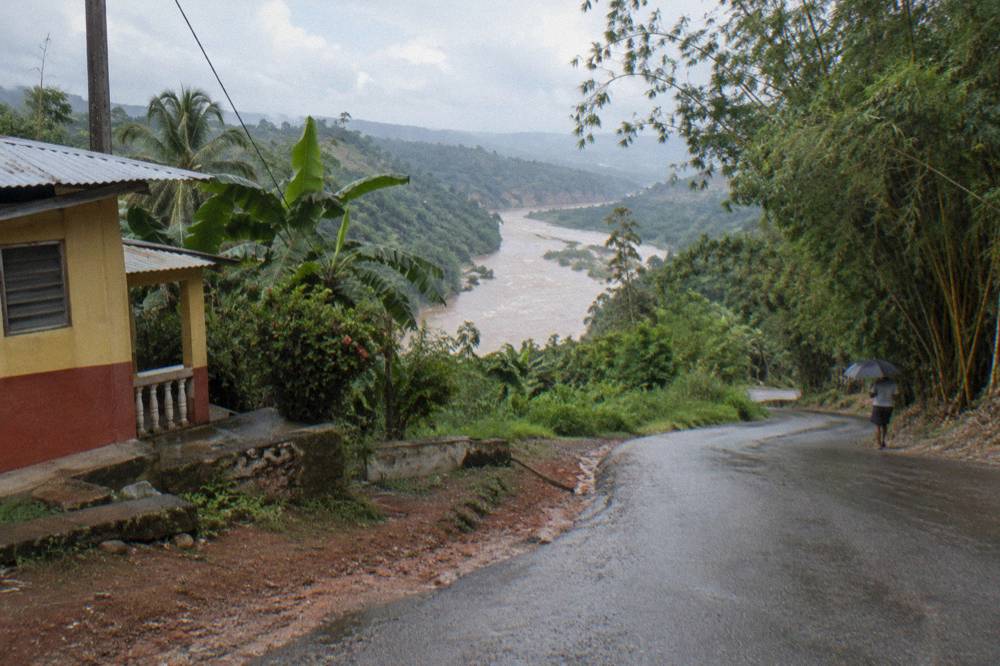
The name surprises people. There is no border with Texas here. The river drains the Blue Mountains and the John Crow range before emptying into the sea at St. Margaret's Bay. If you are looking at a map of Jamaica, put your finger on the top-right of the island, find Port Antonio, and the Rio Grande Valley runs inland to the southwest of it.
One practical note on orientation: the standard put-in at Berrydale and the take-out at Rafters' Rest both sit 15 to 25 minutes from Port Antonio by road. Tours that include transport handle both ends. The listing for the private Rio Grande bamboo rafting tour from Port Antonio covers pickup in Port Antonio, with the exact meeting point confirmed on the booking page, and lists lunch, bottled water, a guide and transport among its inclusions at from $300 per person for 2 hours 30 minutes.
How Far Is The Rio Grande From Jamaica's Main Towns?
By road, the Rio Grande rafting area is roughly 15 to 25 minutes from Port Antonio, 2 to 2.5 hours from Ocho Rios, 2.5 to 3.5 hours from Kingston, and 4 to 4.5 hours from Montego Bay. Those figures come from published drive times, and they decide the whole shape of your day: Port Antonio guests raft casually, everyone else commits to a long-haul day trip.
The full spread looks like this:
| Starting point | Drive to the Port Antonio / Rio Grande area | What it means for planning |
|---|---|---|
| Port Antonio | 15 to 25 minutes | Easy half-day outing; the only truly local option |
| Kingston | 2.5 to 3.5 hours | Long but common day trip over the Blue Mountains |
| Ocho Rios | 2 to 2.5 hours | Feasible with an early start; pairs with a coast day |
| Montego Bay | 4 to 4.5 hours | Full-day commitment each way |
If you are staying in Montego Bay and your heart is set on the Rio Grande specifically, it can be done, but you should go in with open eyes about the drive. Most Montego Bay visitors instead raft the Great River at Lethe, which is 15 to 35 minutes from the hotels, or the Martha Brae near Falmouth, about 30 minutes away. The Great River option such as the Lethe raft and foot massage tour covers a similar bamboo-raft-with-massage experience at a fraction of the travel time.
The Portland raft and jerk tour offers a Portland raft option from further afield: its start point can be agreed with the operator from Kingston or Ocho Rios, and it pairs the raft ride with a quarter jerk chicken and side per guest, from $220 per person for a 4-hour private tour. Cruise passengers should be extra careful here. Port Antonio is a small port, and no tour on this page can be promised to fit a specific ship's schedule; check your ship's all-aboard time before booking anything with a multi-hour drive attached.
What Does The Rio Grande Rafting Route Cover?
The standard route runs from Berrydale, in the Rio Grande Valley, to Rafters' Rest at St. Margaret's Bay, about 6 miles of river, and a typical trip lasts 2 to 3 hours on the water. About 80 raft captains work the route, poling 30-foot bamboo rafts that each carry 2 adults and 1 small child plus the captain.
That is the shape of the day. You meet your captain at the launch, board a bamboo raft built for two passengers, and drift downstream. The pace is slow by design: the river is broad and mostly gentle, and the captains pole rather than paddle. This is working craft turned leisure, and the two-to-three-hour duration is the ride itself, not drive time.
Comparing rivers makes the Rio Grande's character obvious. The Martha Brae ride covers 3 miles of a 20-mile river in about 1 hour 15 minutes; the White River tour near Ocho Rios runs about 45 minutes; Lethe rides usually run 60 to 90 minutes. The Rio Grande is the long one, the trip you build a day around rather than slot into a morning. Guests who want that slow, unhurried float but cannot reach Portland sometimes settle for the Lethe private option, and the Bamboo Rafting With foot Massage listing covers that shorter ride with hotel pickup from Montego Bay, from $103 per person for a 3-to-5-hour private tour.
The standard Port Antonio raft tour is the direct way onto the river: private, from $300 per person, 2 hours 30 minutes total, with lunch, bottled water, transport and a guide listed as included, and free cancellation listed. Confirm the meeting point on the live booking page when you book.
Who Runs Rafting On The Rio Grande?
Rafting on the Rio Grande runs on a standard route from Berrydale to Rafters' Rest and about 80 raft captains working it. Rates on the river were last officially set in 2023 by the Tourism Product Development Company (TPDCo).
The setup is unusual among Jamaica's raft rivers, and it explains both the character and the fragility of the operation. The Martha Brae attraction is run by a single company, River Raft Limited. The Rio Grande, by contrast, is a community of independent raftsmen working a regulated route. Each captain is a small business. When something goes wrong on the river, it goes wrong for dozens of families at once, which is exactly what Hurricane Melissa demonstrated.
The rate structure matters for independent travelers. TPDCo set the official rafting rates in 2023, raising the long trip to J$12,000 per raft and the short trip to J$10,000, as the Jamaica Gleaner reported at the time. Those are per-raft figures for the river-side service, not the packaged tour prices listed here, and packaged tours bundle transport, food and guiding on top. Whether the river-side rate still stands today is not confirmed by any official notice found, so check with your operator or on the booking page before assuming anything.
Bookable packaged tours handle the logistics for you. The Portland raft and jerk chicken tour runs as a private trip from a start point agreed with Island Kodesh Tours, and the Port Antonio raft tour includes Port Antonio pickup, with the meeting point confirmed on the live booking page.
Why Is The Rio Grande Tied To Errol Flynn?
Errol Flynn arrived in Port Antonio in 1946 when his yacht Zaca washed ashore, stayed, and is credited with popularising bamboo rafting on the Rio Grande as a leisure pursuit for visitors. The rafts themselves predate him by decades: they were built as working craft to move bananas and produce down the river to the coast.
The Hollywood version of the story gets the emphasis wrong, so it is worth being precise. Flynn did not invent rafting on the Rio Grande. Bananas were the cargo. What Flynn did, after his yacht Zaca came ashore near Port Antonio in 1946, was help turn what had been freight into an outing. He is credited with popularising the raft trip as leisure, and the credit line deserves its careful wording.
The leisure version outlived the freight version. Today the two-to-three-hour float from Berrydale is one of the longest-running visitor experiences on the island. The official tourism information page for Rio Grande rafting describes the route and the Flynn connection in similar terms.
How Did Hurricane Melissa Affect The Rio Grande?
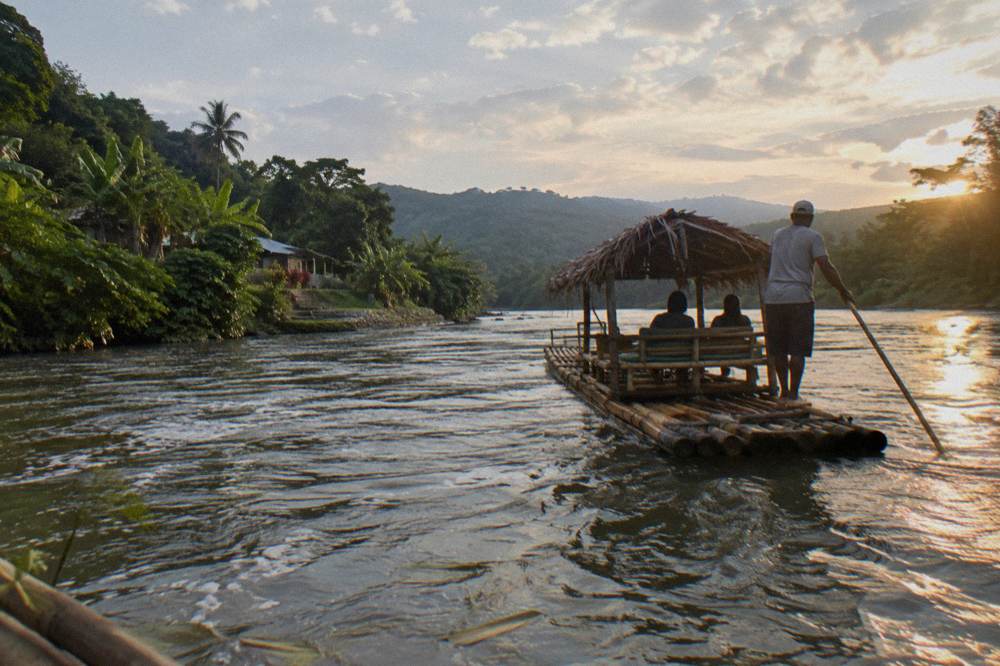
Hurricane Melissa made landfall on 28 October 2025 as a Category 5 storm, and Rio Grande captains reported losing well over 100 bamboo rafts when the river overflowed, a severe blow to roughly 80 raftsmen's livelihoods. By late November 2025 Portland's attractions, including Rio Grande rafting, were described in local reporting as continuing to operate, with rebuilt rafts.
The damage figures come from the captains themselves. The Gleaner reported captains losing well over 100 rafts in the flooding. Because each raft is a captain's own tool and income, the loss was personal as well as physical. Recovery in the wider Rio Grande Valley, including communities like Moore Town, continued for months afterward, with diaspora groups coordinating relief efforts.
The parish itself fared comparatively better than the west, and tourism officials leaned on that. Port Antonio was included early in the post-Melissa reopening sequence, and the Tourism Minister publicly called it "hardly touched" relative to western parishes. Portland hoteliers were reportedly positioning the area to fill the tourism gap left by hurricane damage around Montego Bay and Westmoreland, and rafting was part of that offer.
Two honest caveats belong here. First, none of the reopening reporting has been re-confirmed by a dated official notice, so treat operating status as reported rather than guaranteed, and confirm on the booking page. Second, hurricane season in the Atlantic runs 1 June to 30 November, and Port Antonio is wet even in a quiet year, so a river trip here is always weather-dependent at the margins. The best time for bamboo rafting guide breaks the seasons down month by month.
What Tours Take You Rafting On The Rio Grande?
Two packaged Portland tours are listed here: a private raft tour from Port Antonio at from $300 per person for 2 hours 30 minutes, and a private raft plus Boston Jerk Centre tour at from $220 per person for 4 hours, both with free cancellation listed. Both are private, both arrange pickup, and neither is bookable as a shared budget ticket.
The direct option is the Rio Grande Bamboo Rafting Tour from Port Antonio. It is a private trip, the total duration is 2 hours 30 minutes, and the listing includes lunch, bottled water, transport and a guide, with pickup in Port Antonio and the meeting point confirmed on the live booking page. It has too few reviews for a star claim, which is worth saying plainly rather than dressing up. Free cancellation is listed.
The second option spends longer in the parish. The Bamboo Rafting and Boston Jerk Centre Tour in Portland pairs the raft ride with a stop at the Boston Jerk Centre, the cluster of smoke-pit stalls that gave jerk cooking its name, and includes a quarter jerk chicken and one side per guest plus refreshments on board, from $220 per person for a 4-hour private tour. Its start point is agreed with the operator, Island Kodesh Tours, from Kingston or Ocho Rios, which makes it the more practical pick if you are not staying in Port Antonio.
For readers rafting from Ocho Rios instead, the White River alternative is a different animal: shorter, closer, cheaper. The listing for bamboo river rafting in Ocho Rios runs from $60 per person, 1 hour 30 minutes to 2 hours total, shared, rated 5.0 from 94 reviews, with entrance fees and round-trip transport from Ocho Rios hotels included.
And for Montego Bay visitors weighing whether the 4-to-4.5-hour drive is worth it, the honest comparison is against the Great River at Lethe. The listing for Jamaica Bamboo Rafting With Limestone Massage runs from just $15 per person, 1 hour 30 minutes total, shared, 4.5 from 708 reviews, with round-trip transport listed. It is a different river, a shorter ride and a livelier scene, but it saves most of a day.
When Is The Best Time To Raft The Rio Grande?
Port Antonio is wet year-round, with monthly rainfall ranging from roughly 113 mm in March to 359 mm in November, so the driest window for the Rio Grande is February through April. Hurricane season runs 1 June to 30 November, and water levels affect both the pace and the mood of a 2-to-3-hour float.
The numbers make the pattern clear. Port Antonio's long-run monthly averages climb steeply from May onward, peak through October and November, and ease back from January. The raft runs in rain as well as sun, and a shower in a rainforest parish is part of the deal, but a river already running high after days of rain makes for a faster, less languid trip. Captains read the water daily, and trips can be rescheduled when the river is not cooperating, which is one reason free cancellation, listed on both Portland tours here, is worth having.
Crowd-wise, the Rio Grande never feels busy the way Martha Brae can on a cruise day. Port Antonio's own cruise traffic is small, so timing around ships matters far less here than it does in Falmouth or Ocho Rios.
The practical advice is simple. Aim for the February-to-April window if your dates are flexible, book the morning slot if one is offered, and confirm the river's condition with your operator the day before from October through November.
Common Questions About The Rio Grande In Jamaica
Where Is The Rio Grande, Jamaica?
The Rio Grande is in Portland parish on Jamaica's east coast. The rafting route runs from Berrydale, in the Rio Grande Valley inland, to Rafters' Rest at St. Margaret's Bay, with both ends roughly 15 to 25 minutes from Port Antonio by road.
How Long Is The Rio Grande Rafting Trip?
A typical Rio Grande raft trip lasts 2 to 3 hours on the water, covering about 6 miles from Berrydale to Rafters' Rest. It is the longest of the four rafting rivers covered here; packaged tours add transport time on top, so check each listing's own total duration.
Can You Get To The Rio Grande From Montego Bay?
Yes, but it is a long day. The drive from Montego Bay to the Port Antonio area is quoted at 4 to 4.5 hours each way. Most Montego Bay visitors raft the Great River at Lethe or the Martha Brae near Falmouth instead, both under 40 minutes away.
Is The Rio Grande Rafting Open After Hurricane Melissa?
Rio Grande rafting was described in local reporting as continuing to operate in late November 2025, with captains rebuilding after losing well over 100 rafts in the October 2025 flooding. Status has not been re-confirmed by a later official notice, so confirm on the booking page before you travel.
How Much Does Rio Grande Bamboo Rafting Cost?
The private Rio Grande Bamboo Rafting Tour from Port Antonio is listed from $300 per person for 2 hours 30 minutes with lunch, water, guide and transport included. The Portland raft and Boston Jerk Centre tour runs from $220 per person for 4 hours. River-side per-raft rates are separate and should be checked with the operator.
Who Brought Bamboo Rafting To The Rio Grande?
Bamboo rafts on the Rio Grande began as working craft moving bananas and produce downstream. Errol Flynn, who arrived in Port Antonio in 1946 when his yacht Zaca washed ashore, is credited with popularising the raft trip as a leisure activity for visitors.